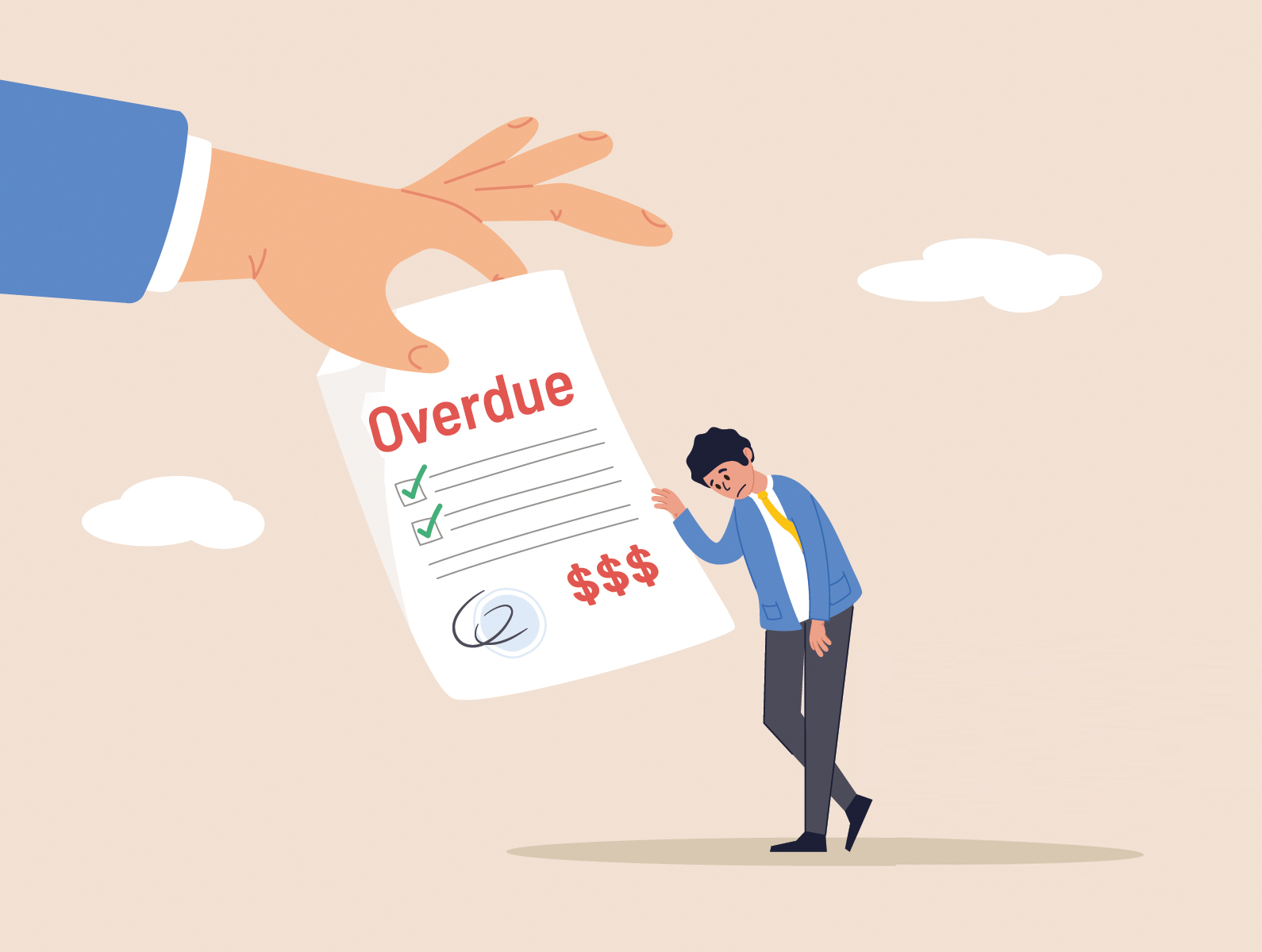


Most of us have bought something we didn’t really need.
Maybe it was an online order after a stressful day, a new outfit for an event, a phone upgrade that wasn’t urgent, or a few extra items added to the trolley because they were on special. At the time, the purchase might have felt harmless or even justified. But later, you may have looked at your bank account and wondered where your money went.
The truth is that spending decisions are not always logical. While we’d like to think we carefully weigh up every purchase, our emotions, habits, and natural desire for reward often play a much bigger role than we realise.
Understanding why we spend can help us make better financial decisions and develop healthier money habits over time.
Why Our Brains Love Spending

Many of us are drawn to instant gratification. In simple terms, we tend to prefer rewards we can enjoy right now rather than benefits we’ll receive in the future. Research in behavioural economics has consistently shown that people often place greater value on immediate rewards than future rewards, even when waiting may lead to a better outcome.
That’s one reason spending can feel easier than saving. Buying something new provides an immediate sense of satisfaction, while saving for a future goal often requires patience and self-discipline.
Part of the enjoyment comes from anticipation. Browsing online, comparing products, and imagining how a purchase might improve our lives can all feel rewarding. The challenge is that this feeling is usually temporary.
Once the excitement fades, it can be tempting to look for the next purchase that delivers the same sense of satisfaction.
Over time, this cycle can make it harder to stay focused on longer-term financial goals.
However, not everyone responds to spending in the same way. While some people are naturally drawn to the immediate satisfaction of buying something new, others find it difficult to spend money at all, even on things they genuinely need. Researchers sometimes refer to this as the “pain of paying“, suggesting that money decisions are often influenced by emotion, whether we’re inclined to spend or save.
Understanding your own tendencies, whether you tend to spend impulsively or avoid spending because you feel anxious about money, can help you make financial decisions that support your goals and well-being.
Emotional Spending vs Intentional Spending

Not all spending is the same.
Emotional spending happens when our feelings influence a purchase. This could be stress, boredom, excitement, frustration, or simply feeling like we’ve earned a reward after a long week.
Intentional spending, on the other hand, happens when we make a conscious decision that aligns with our needs, priorities, or financial goals.
For example, replacing worn-out work shoes you’ve budgeted for is intentional spending. Buying a new pair because you’ve had a bad day and want a pick-me-up is emotional spending.
We also tend to justify purchases when emotions are involved. Thoughts such as “It was on sale“, “I deserve it“, or “It’s only a small amount” can make spending feel reasonable in the moment, even if it wasn’t part of the plan.
The goal isn’t to eliminate emotional spending altogether. It’s simply to become more aware of when emotions are driving the decision.
How Spending Habits Form

Spending habits often develop gradually.
A takeaway coffee here, a streaming subscription there, and the occasional online purchase may not seem significant on their own. However, when these expenses become routine, they can have a noticeable impact on your finances.
Modern technology has also made spending easier than ever. Saved payment details, one-click checkout, subscription services, and buy now, pay later options remove many of the barriers that once gave us time to reconsider a purchase.
The easier spending becomes, the more important it is to remain conscious of our habits.
Recognising Your Spending Patterns
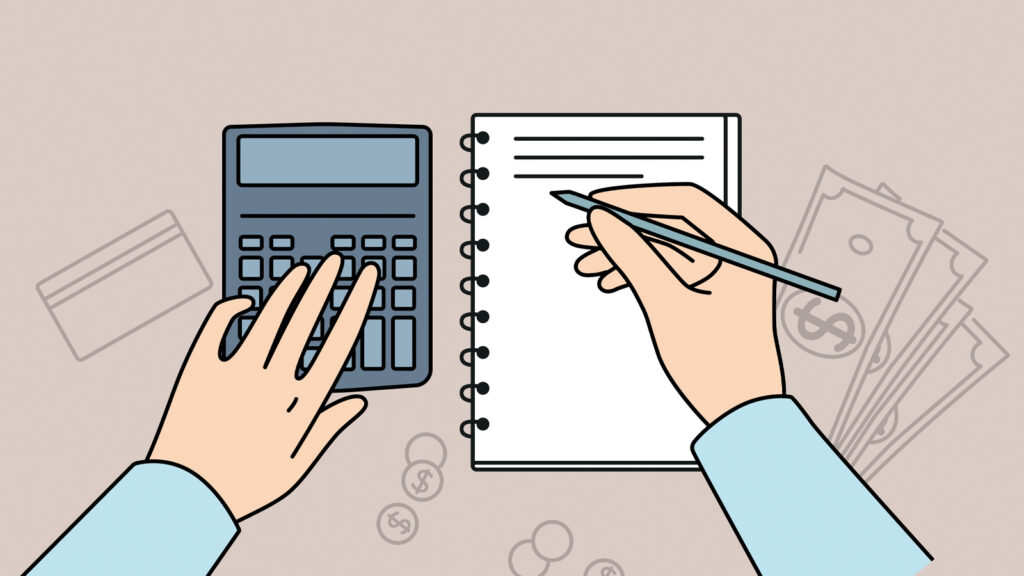
One of the best ways to improve your relationship with money is to understand your own spending patterns.
The next time you make a non-essential purchase, ask yourself:
- Did the purchase solve a real problem?
- Did I still feel good about it a few days later?
- Was it planned, or was it impulsive?
You don’t need to judge yourself harshly. The goal is simply to identify patterns and become more aware of the decisions you’re making.
You may discover that stress influences your spending, that social media introduces you to products you hadn’t considered, or that small purchases are adding up more than expected.
Awareness is often the first step towards positive change.
How to Spend More Intentionally

Becoming more intentional with your money doesn’t mean saying no to everything you enjoy. It means making spending decisions that reflect your priorities.
Behavioural psychologists have found that many spending decisions are driven by impulse rather than careful consideration. One simple way to counter this is to create a pause between the desire to buy something and the purchase itself.
A few practical strategies can help:
- Pause before making non-essential purchases. Some experts recommend using a “24-hour rule” to reduce impulse spending.
- Use shopping lists when possible. Research has shown that planning purchases in advance can reduce unnecessary spending and improve decision-making.
- Give yourself a cooling-off period before buying expensive items.
- Review your bank transactions regularly to identify spending patterns.
- Track your spending habits so you can recognise recurring triggers.
- Focus your spending on the things that genuinely matter to you rather than spending out of habit or convenience.
Small changes can make a big difference over time. The more intentional you become with your spending, the easier it becomes to balance enjoying life today with working towards future goals.
Better Money Decisions Start With Awareness

Most people don’t overspend because they’re careless. More often, spending is influenced by emotions, habits, convenience, and our natural desire for immediate rewards.
Understanding the psychology behind spending can help you take greater control of your finances. When you’re aware of why you spend, you’re in a better position to make decisions that support your long-term goals.
At Loansmart, we believe better financial decisions start with understanding both your money habits and your options. Whether you’re working towards a financial goal, improving your cash flow, or reviewing your current financial commitments, greater awareness can be the first step towards a stronger financial future.
All of our Loan Consultants are Financial Advisers, which means they can help you understand the bigger picture when it comes to your finances. By taking the time to understand your circumstances, goals, and challenges, they can provide guidance and advice to help you make informed financial decisions.
In the next article, we’ll explore some of the most common spending triggers, including stress, boredom, social media, and peer pressure, and how they can influence the way we spend.
Sources
Rick, S.I., Cryder, C.E., & Loewenstein, G. (2008). Tightwads and Spendthrifts. Journal of Consumer Research, 34(6), 767–782.