

If you’ve ever bought something because it was “too good to miss“, you’re not alone.
Modern retailers invest significant time and money into understanding consumer behaviour. From supermarket layouts to online shopping carts, many aspects of the shopping experience are designed to encourage spending.
There’s nothing wrong with this. Businesses want to sell products, and marketing plays an important role in helping consumers discover them. However, understanding the psychology behind these techniques can help you make more informed purchasing decisions.
Let’s look at some of the most common strategies retailers use and why they work so well.
The Power of Limited-Time Offers

Have you ever seen a countdown timer on a website or a sale that ends at midnight?
Limited-time offers create a sense of urgency. They encourage us to focus on the possibility of missing out rather than whether we actually need the product.
When we believe an opportunity might disappear, we often feel pressured to make a decision quickly. This reduces the amount of time we spend considering whether the purchase fits our budget or priorities.
Before jumping on a limited-time offer, ask yourself one simple question:
Would I still buy this if it wasn’t on sale?
Why Discounts Feel So Good
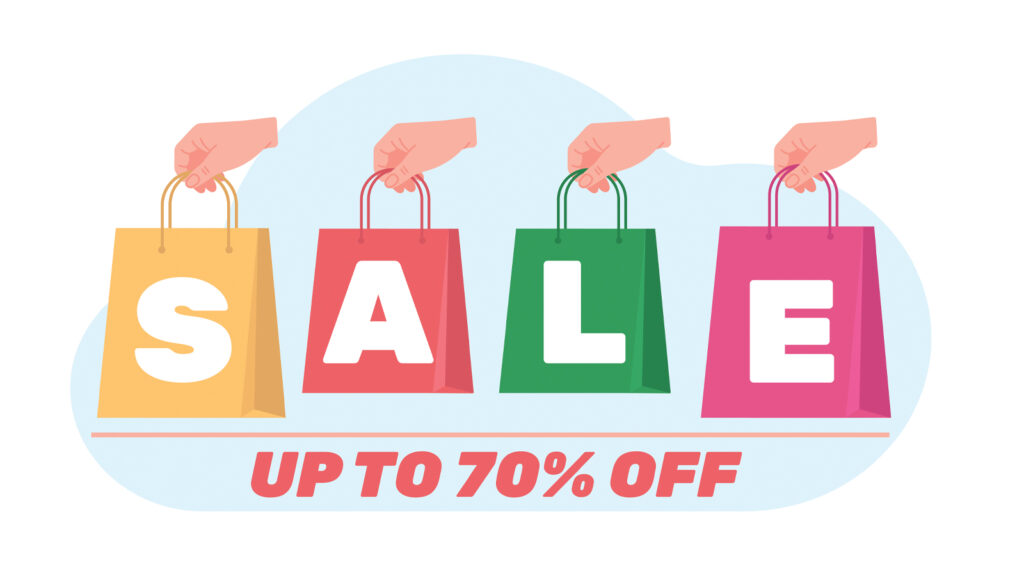
Most people enjoy getting a bargain.
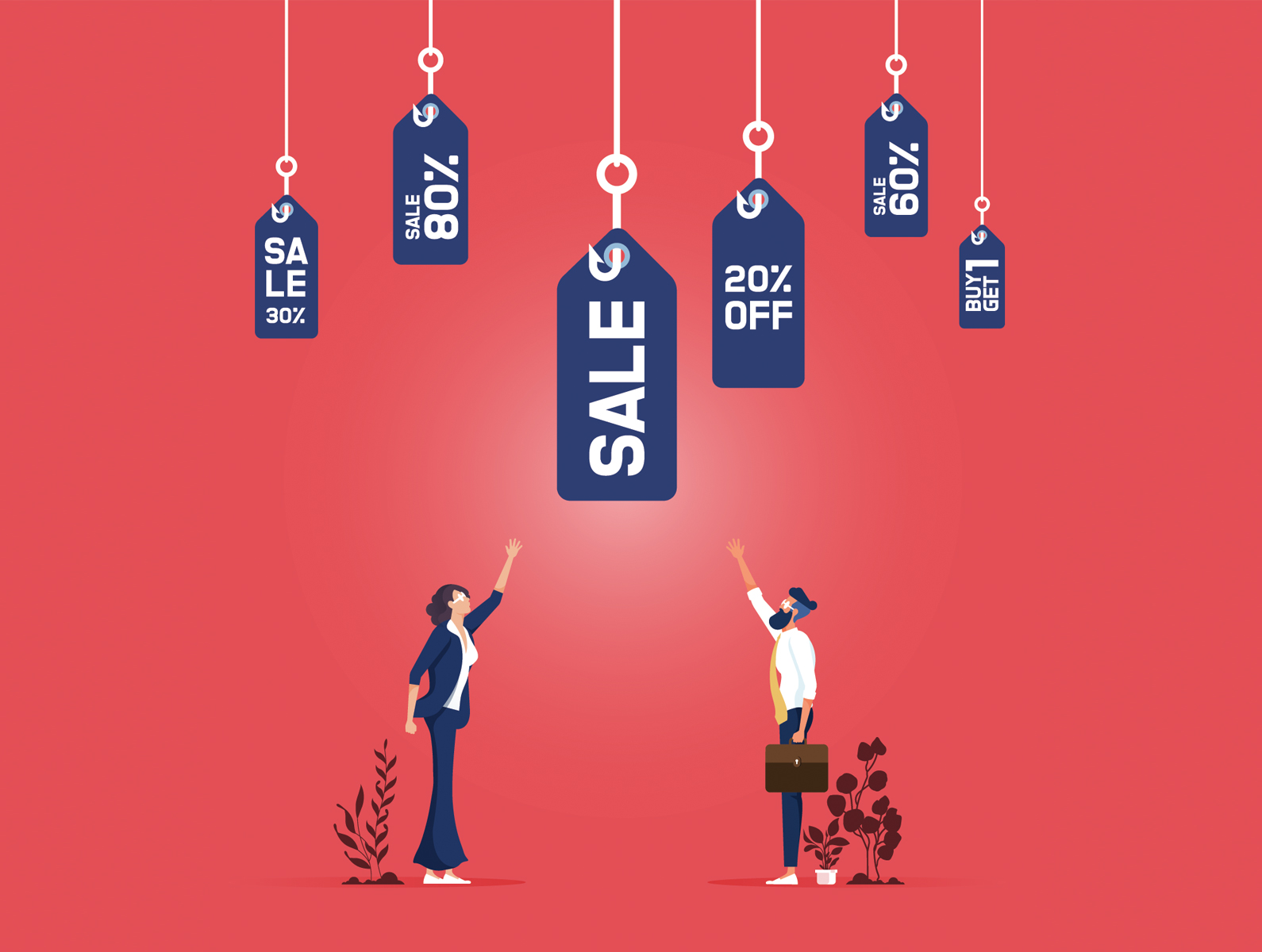
The challenge is that discounts can sometimes change our focus. Instead of asking whether we need something, we start thinking about how much we’re saving.
A product that’s 40% off may feel like a win, but discounts often encourage us to focus on what we’re saving rather than whether we need the item at all.
The best discounts are on purchases you were already intending to make. Everything else deserves a second look.
Buy Now, Pay Later
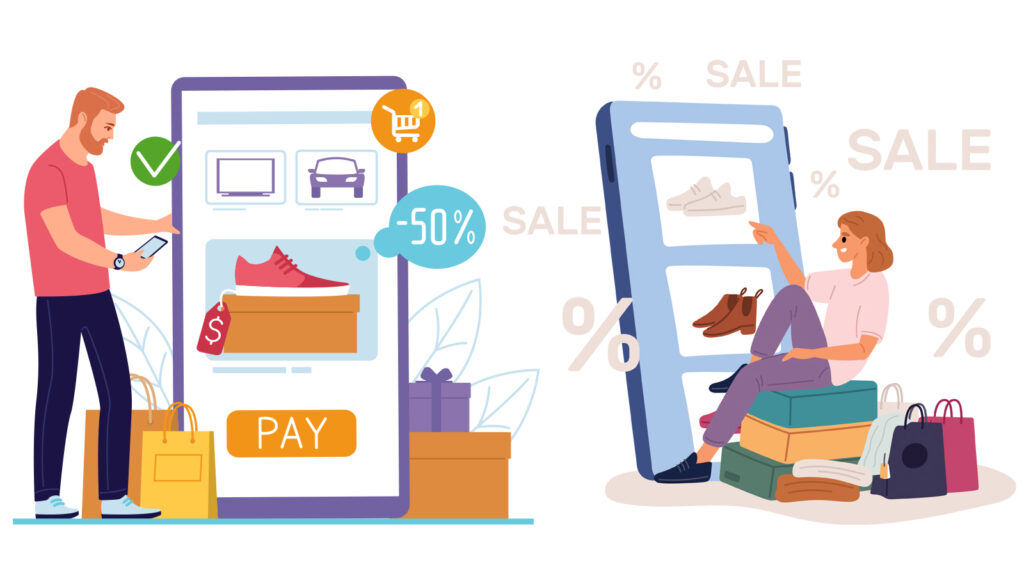
Buy now, pay later services have become increasingly popular because they make purchases feel more affordable.
Instead of seeing the full cost upfront, consumers see smaller repayments spread over time. This can make larger purchases feel easier to justify.
For many people, buy now, pay later can be a useful budgeting tool when used responsibly. However, problems can arise when multiple purchases and repayments start to overlap.
It’s important to remember that while payments may be delayed, the financial commitment remains.
The Free Shipping Trap

Most of us have added an extra item to our cart simply to qualify for free shipping.
Retailers know this.
For example, if shipping costs $8 and free shipping applies to orders over $100, many shoppers will happily spend an additional $20 or $30 to avoid the delivery fee.
The result is often spending more money than originally planned.
Before adding extra items to your cart, compare the cost of the additional purchases against the shipping fee itself. The maths can sometimes be surprising.
Loyalty Programmes and Reward Points

Loyalty programmes are designed to encourage repeat spending.
Whether it’s Woolworths Everyday Rewards, Airpoints, coffee cards, or retailer membership programmes, the idea is simple: reward customers for coming back.
There’s nothing wrong with collecting rewards for purchases you were already going to make. The problem occurs when rewards influence spending that wouldn’t have happened otherwise.
We’re seeing this strategy more often, particularly with supermarket loyalty programmes that offer bonus points for buying specific brands or spending a certain amount within a product category. If you wouldn’t normally buy that brand or spend that much on a particular category, it’s worth asking whether you’re making the purchase because you genuinely need it, or because you’re chasing the reward.
Multi-Buy Discounts and Spend More, Save More Offers
Offers such as “Buy One, Save 20%”, “Buy Two, Save 30%”, or “Buy Three, Save 40%” are designed to encourage larger purchases.
The savings can appear attractive, but they often shift our focus away from whether we need the additional items. Instead of deciding whether to buy one product, we start thinking about whether we should buy more to unlock a better discount.
This can be particularly effective because people naturally dislike missing out on a better deal. Buying three items for a larger discount can feel like saving money, even if purchasing a single item would have met the original need.
How Online Shopping Makes Spending Easier
Online shopping has removed many of the barriers that once slowed spending down.
Saved payment details, one-click purchases, personalised recommendations, and targeted advertising all make buying faster and more convenient.
Convenience itself isn’t a bad thing. However, when purchasing becomes effortless, it’s easier to spend without fully considering the decision.
This is one reason why impulse purchases are so common online.
Becoming a More Aware Consumer
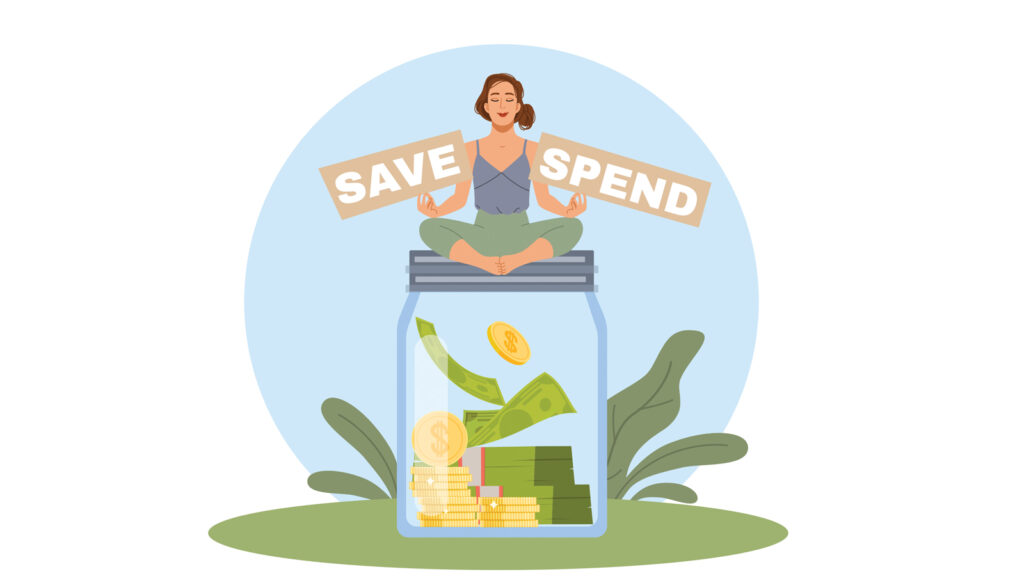
The goal isn’t to avoid sales, rewards programmes, or online shopping altogether.
Instead, it’s about recognising when marketing tactics are influencing your decisions.
A few simple habits can help:
- Create a shopping list before making purchases.
- Ask yourself whether you’ve been meaning to buy the item for a while, or whether the promotion is what made it appealing.
- Avoid making decisions under time pressure. Avoid shopping when you’re stressed, bored, or emotional.
- Wait 24 hours before buying non-essential items.
- Compare prices before checking out.
- Focus on the amount you’re spending, not the amount you’re saving.
- Ask yourself whether you would still buy the item if it wasn’t on sale.
Try the “Savings Test“. If you’re considering a non-essential purchase, transfer the amount into your savings account instead and leave it there for 24 hours. After the cooling-off period, ask yourself whether you’d still be willing to take that money back out of your savings to make the purchase. If the answer is yes, it may be something you genuinely value. If the answer is no, the desire to buy it may have been driven more by impulse than need.
Try the “Hours Worked” Test. Before making a non-essential purchase, work out how many hours you had to work to earn that amount after tax. Then ask yourself: “Would I be willing to work those hours again for this item?” Viewing purchases in terms of the time and effort required to earn the money can make it easier to decide whether something is truly worth it.
Try the “Trade-Off” Test. Ask yourself: “What am I giving up to buy this?” Whether it’s a weekend away, putting money towards a future goal such as a car or house deposit, or paying down debt, every purchase comes at the expense of something else. Awareness often creates enough space to make better decisions.
Improve Your Shopping IQ

Retailers are constantly looking for ways to make shopping easier and more appealing. Understanding these techniques doesn’t mean you’ll stop spending money. It simply means you’ll be better equipped to recognise when you’re being encouraged to spend more than originally intended.
The more aware you are of these tactics, the easier it becomes to make purchasing decisions that align with your goals and priorities.
If you’re already managing multiple debts or repayments, Loansmart can help you explore solutions that may simplify your finances and support your financial goals.
In the next article, we’ll look at the small purchase trap and why seemingly minor expenses can have a bigger impact on your finances than you might think.