
Published: 22 July 2026
Last Updated: 22 July 2026
Author: Murray Greig, Founder of Loansmart
Getting a pay rise, starting a better job, or increasing your household income should make life feel easier.
In many cases, it does. More income can create more breathing room, reduce financial pressure, and make it easier to work towards bigger goals.
But for many people, earning more does not always lead to saving more. Instead, spending gradually increases alongside income. Before long, the extra money is absorbed into everyday life, and it can still feel difficult to get ahead.
This is known as lifestyle creep.
What Is Lifestyle Creep?
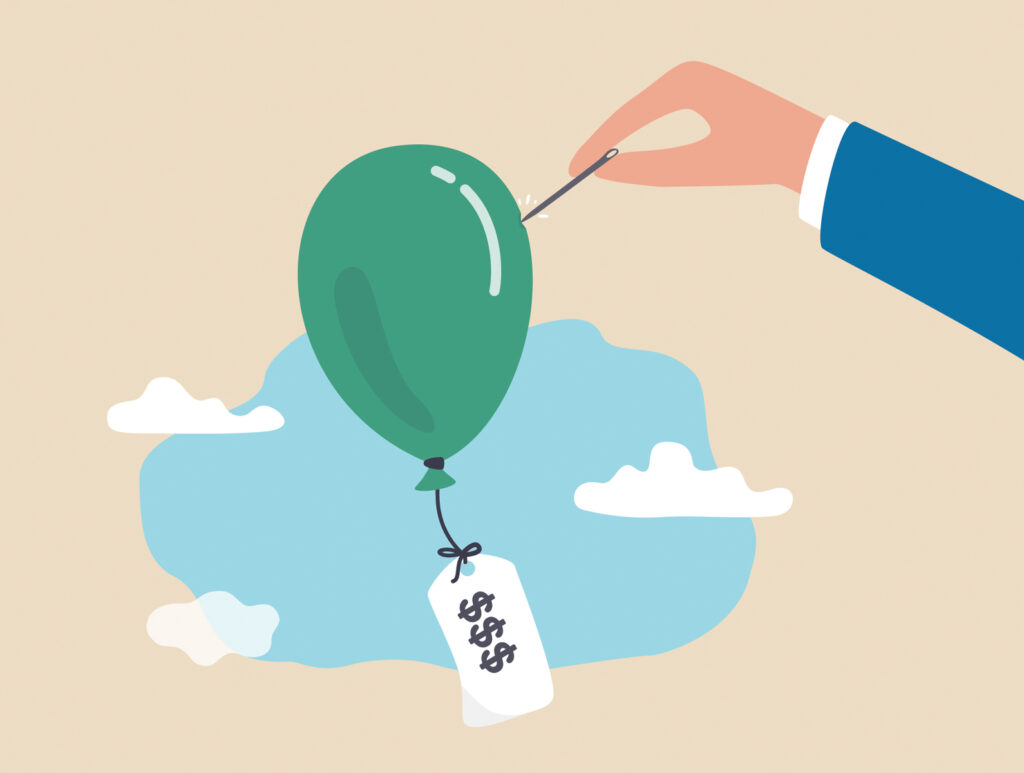
Lifestyle creep, also known as lifestyle inflation, happens when your spending increases as your income grows.
At first, the changes may seem small. You might start buying lunch more often, upgrading your phone sooner, dining out more regularly, or choosing more expensive versions of things you already buy.
None of these choices is necessarily wrong. The problem is that they can become your new normal without you realising.
When that happens, a pay rise may improve your lifestyle, but not necessarily your financial position.
Why Lifestyle Creep Happens
Lifestyle creep often happens because extra income feels like permission to spend more.
After working hard, it is natural to want to enjoy the reward. You may feel like you have earned a few upgrades or that you can finally afford things you used to say no to.
The challenge is that people quickly adjust to a higher standard of living. What once felt like a luxury can soon feel normal.
Over time, spending increases become harder to reverse, especially when they are linked to regular commitments like car repayments, subscriptions, rent, mortgage payments, or ongoing lifestyle habits.
Common Examples of Lifestyle Creep
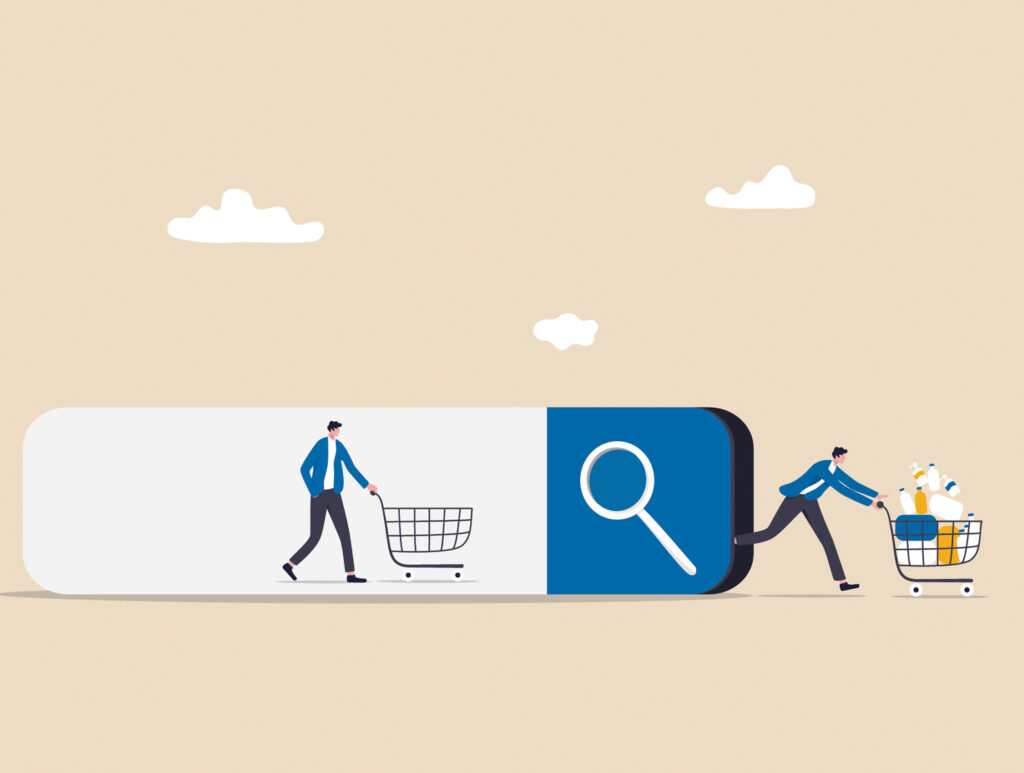
Lifestyle creep can look different for everyone.
For some people, it may mean upgrading to a newer vehicle, moving into a more expensive home, or taking more frequent holidays.
For others, it may be much smaller and harder to notice.
Common examples include:
- Dining out or ordering takeaways more often
- Upgrading phones, cars, or technology sooner than needed
- Increasing subscription services or memberships
- Spending more on clothing, beauty, or hobbies
- Choosing premium brands at the supermarket
- Saying yes to more social events
- Taking on higher repayments because income has increased
These changes may feel manageable individually, but together they can reduce the benefit of earning more.
The Hidden Cost of Lifestyle Creep
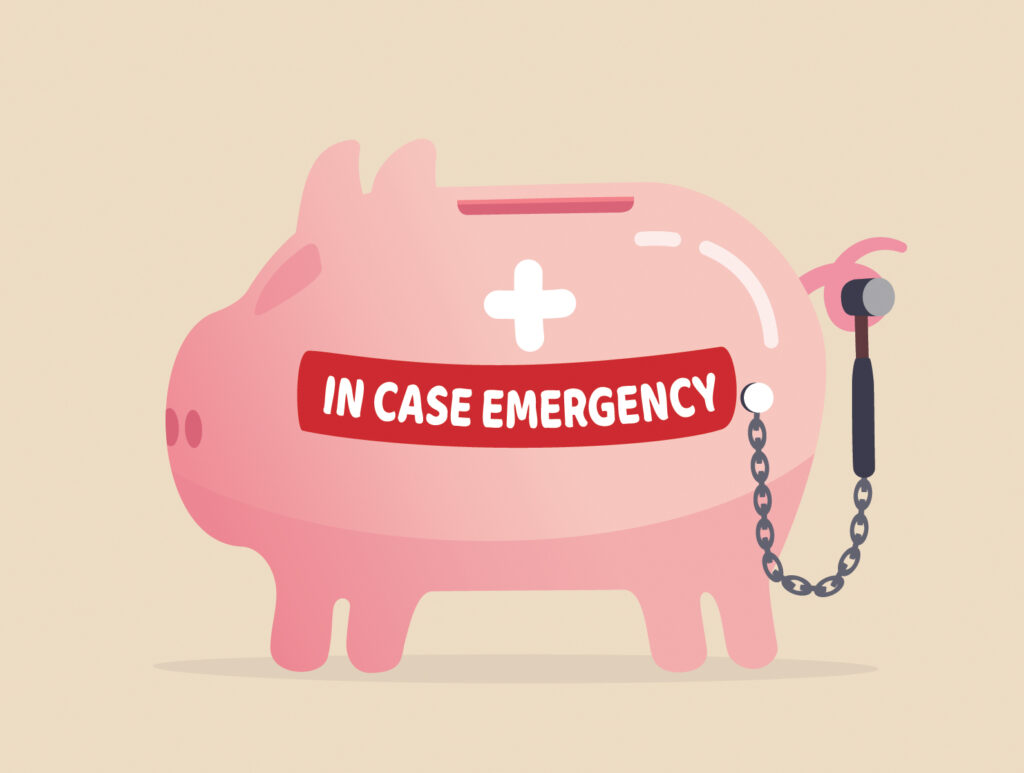
The biggest cost of lifestyle creep is lost opportunity.
When extra income is absorbed into day-to-day spending, there may be less money available for savings, emergency funds, debt reduction, or long-term goals.
This can leave people feeling frustrated. They are earning more than they used to, but still feel like they are living pay day to pay day.
Lifestyle creep can also make unexpected expenses harder to manage. If most of your income is already committed to regular spending, there may be less flexibility when the car breaks down, an appliance needs replacing, or another unplanned cost comes up.
Social Pressure and Comparison
Lifestyle creep is not always driven by personal choice alone.
Social pressure can play a big role. Friends may be buying homes, upgrading vehicles, travelling, renovating, or spending more on experiences. Social media can make this feel even more intense by constantly showing the highlights of other people’s lives.
It is easy to compare your lifestyle with what others appear to have.
The problem is that you rarely see the full financial picture behind someone else’s spending. You do not know whether a purchase was saved for, financed, placed on a credit card, or causing stress behind the scenes.
Making financial decisions based on your own goals is usually far healthier than trying to keep up with someone else’s lifestyle.
How to Avoid Lifestyle Creep
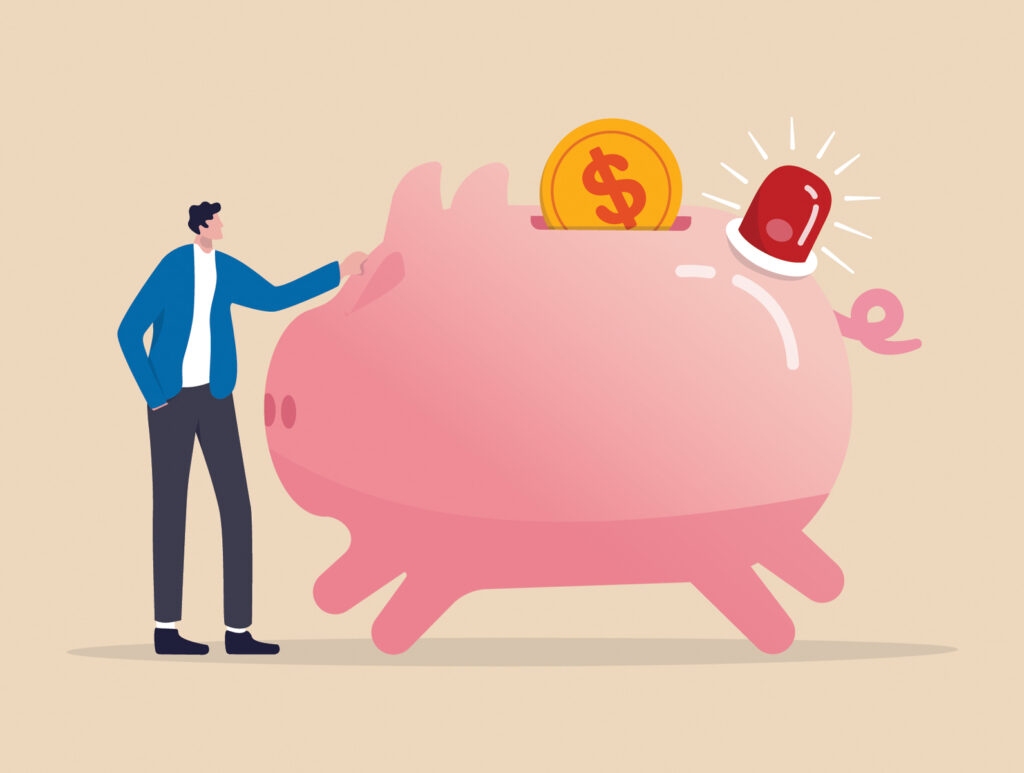
Avoiding lifestyle creep does not mean you cannot enjoy earning more money.
The key is to decide where the extra income will go before it disappears into everyday spending.
A few simple steps can help:
- Put a portion of any pay rise into savings straight away.
- Increase debt repayments if you are trying to pay debt down faster.
- Review your budget when your income changes.
- Be careful about taking on new fixed repayments.
- Keep lifestyle upgrades intentional rather than automatic.
- Set clear financial goals before increasing spending.
Even small decisions can make a difference. If you receive extra income and direct some of it towards your future, you can enjoy your money today while still improving your long-term financial position.
When Lifestyle Upgrades Are Worth It
Not every increase in spending is a problem.
Sometimes spending more can genuinely improve your quality of life. Moving closer to work, replacing an unreliable car, investing in better tools for your job, or paying for services that reduce stress may all be worthwhile.
The goal is not to avoid every upgrade. It is to make sure your spending is intentional.
A helpful question to ask is:
Will this improve my life in a meaningful way, or am I just increasing my spending because I can?
That simple pause can help separate valuable lifestyle improvements from automatic lifestyle inflation.
Making Your Income Work Harder
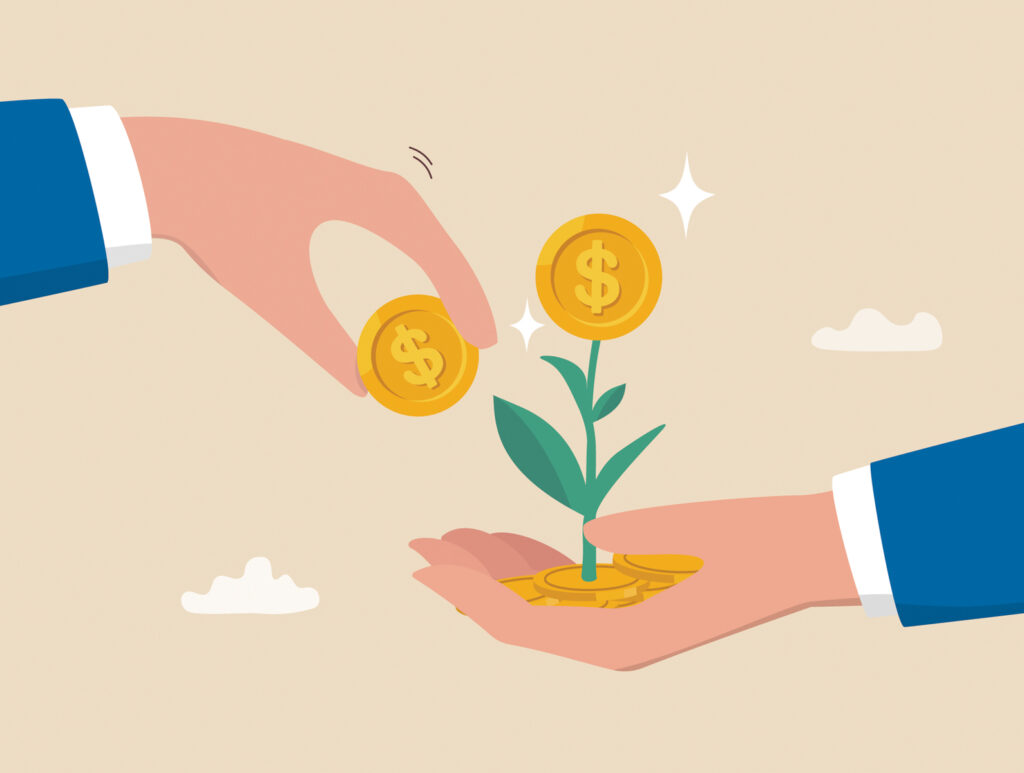
Earning more money is a great opportunity, but only if some of that extra income is directed towards improving your financial position.
Lifestyle creep can happen quietly, but it can also be managed with awareness and planning. By reviewing your spending, setting clear goals, and being intentional with upgrades, you can enjoy your income while still building financial security.
If lifestyle changes, higher repayments, or existing debts are making it harder to get ahead, Loansmart can help you review your options and explore lending solutions that may support your financial goals.
In the next article, we’ll look at how to spend more intentionally without feeling deprived.