

Published: 12th Aug 2026
Last Updated: 12th Aug 2026
Author: Murray Greig, Founder of Loansmart
When people feel like they’re not getting ahead financially, it’s easy to assume the problem is income.
While earning more money can certainly help, income isn’t always the reason people struggle to make progress. In many cases, it’s the financial habits that happen behind the scenes that have the biggest impact.
Small decisions repeated over time can either move you closer to your goals or keep you stuck in the same financial position year after year.
The good news is that many of these habits can be changed.
Why Income Isn't Always the Problem
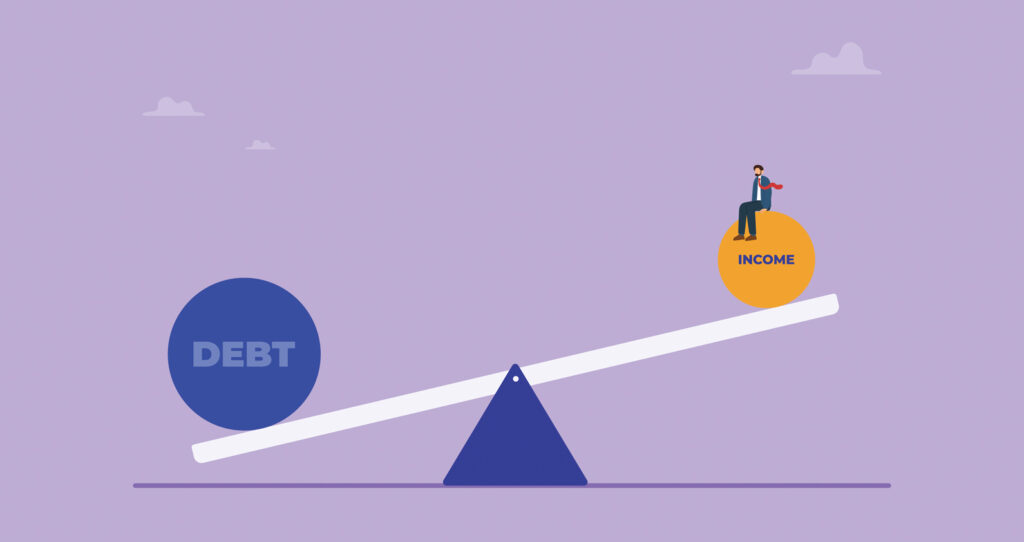
Most people know someone who earns a good income but still seems to be under financial pressure.
At the same time, there are people on more modest incomes who consistently save, manage debt effectively, and work towards their goals.
This doesn’t mean income doesn’t matter. It does. However, financial progress is often determined by what happens after the money arrives in your account.
The habits you build around spending, saving, and managing debt can have just as much influence on your financial future as your income itself.
Not Having a Budget
Many people avoid budgeting because they think it’s restrictive or complicated.
In reality, a budget is simply a plan for your money.
Without a plan, it’s easy for money to disappear without knowing exactly where it went. A budget helps you understand how much is coming in, how much is going out, and whether your spending aligns with your priorities.
It doesn’t need to be perfect. Even a simple budget can provide valuable clarity and help you make more informed financial decisions.
Ignoring Your Bank Statements
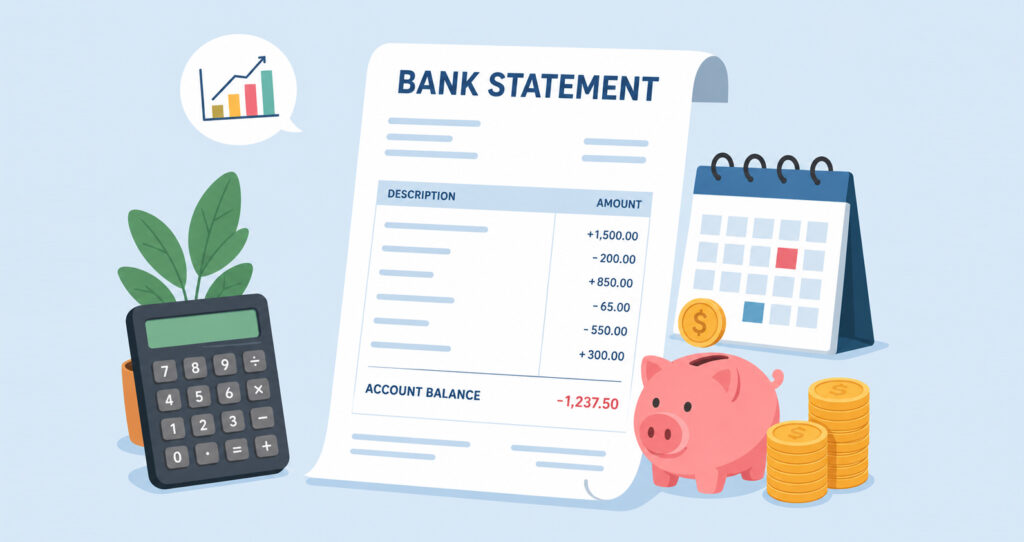
Most people check their account balance regularly, but far fewer take the time to review their transactions.
As a result, it’s easy for small expenses to slip under the radar.
You may sign up for a trial offer that costs $1, only to discover months later that a subscription fee has been coming out of your account every month. You might have memberships, apps, streaming services, or other recurring payments that you rarely use but continue paying for.
If you’re unsure where your money is going, reviewing your statements can be eye-opening.
In fact, you can now download your bank statements and use tools such as ChatGPT to help identify recurring subscriptions and spending patterns that may be costing more than you realise.
Forgetting About Subscriptions

Subscription services have become part of everyday life.
Streaming platforms, music services, cloud storage, apps, fitness memberships, gaming subscriptions, and premium memberships can all seem affordable individually.
The challenge is that they rarely stay individual.
Many people have multiple subscriptions leaving their account every month without knowing the total amount being spent.
A simple subscription audit every few months can help identify services you no longer use and free up money for more important financial goals.
Carrying Credit Card Balances
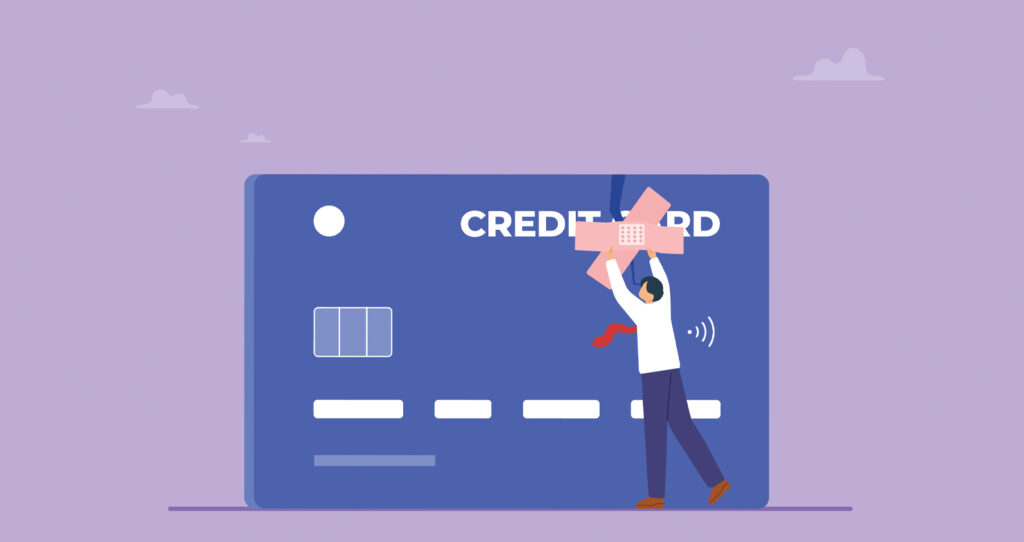
Credit cards can be a useful financial tool when managed carefully.
Problems often arise when balances are carried from month to month.
Paying only the minimum repayment may seem manageable, but it can significantly increase the amount of interest paid over time and extend how long it takes to clear the debt.
The longer debt remains outstanding, the harder it can become to build savings or work towards other financial goals.
Using Buy Now, Pay Later for Everyday Purchases

Buy now, pay later services can make purchases feel more affordable because the cost is spread over time.
Used responsibly, they can be a convenient payment option.
However, when BNPL is used for everyday expenses or multiple purchases at once, repayments can quickly start to overlap.
What feels manageable as a single purchase can become difficult when several repayments are leaving your account at the same time.
Not Saving for Emergencies

Unexpected expenses are a normal part of life.
Cars break down. Appliances fail. Medical costs arise. Travel plans change.
Without an emergency fund, many people are forced to rely on credit cards, personal loans, or buy now, pay later services when these situations occur.
Even a small emergency fund can provide valuable breathing room and reduce the need to take on additional debt when life throws a curveball.
Living Pay Day to Pay Day
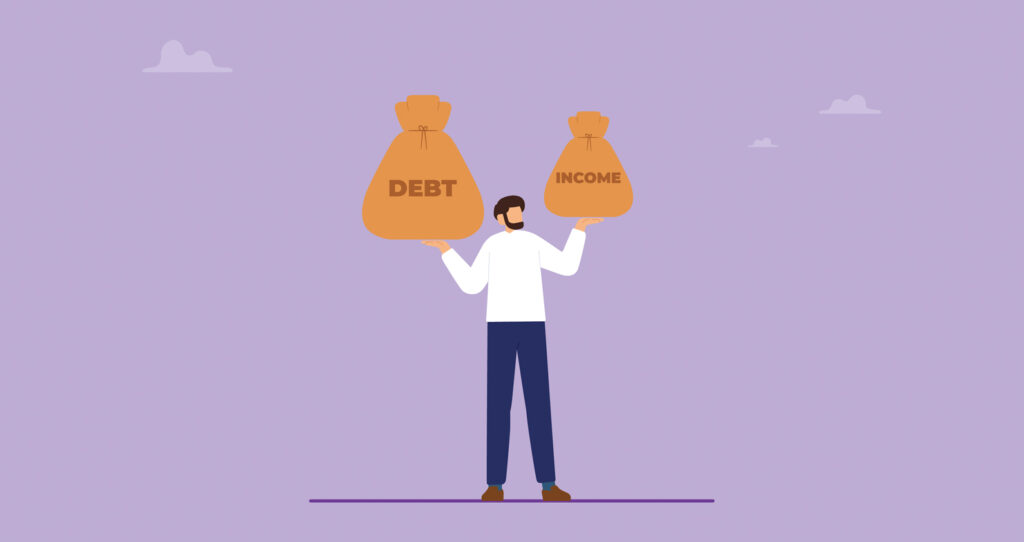
Living pay day to pay day can happen at almost any income level.
Often it’s not caused by one major expense but by a combination of habits, commitments, and spending patterns that leave little room for flexibility.
The challenge is that when every dollar is already spoken for, even small unexpected expenses can create financial stress.
Creating some financial breathing room, even gradually, can make a significant difference over time.
The Danger of "I'll Deal With It Later"
One of the most common financial habits is avoidance.
It’s easy to ignore a growing credit card balance, put off reviewing expenses, or delay dealing with debt because it feels uncomfortable.
Unfortunately, financial problems rarely improve by themselves.
Small issues that could have been addressed early often become much larger challenges when left unchecked.
Taking action early usually provides more options and less stress in the long run.
Why Small Financial Leaks Matter
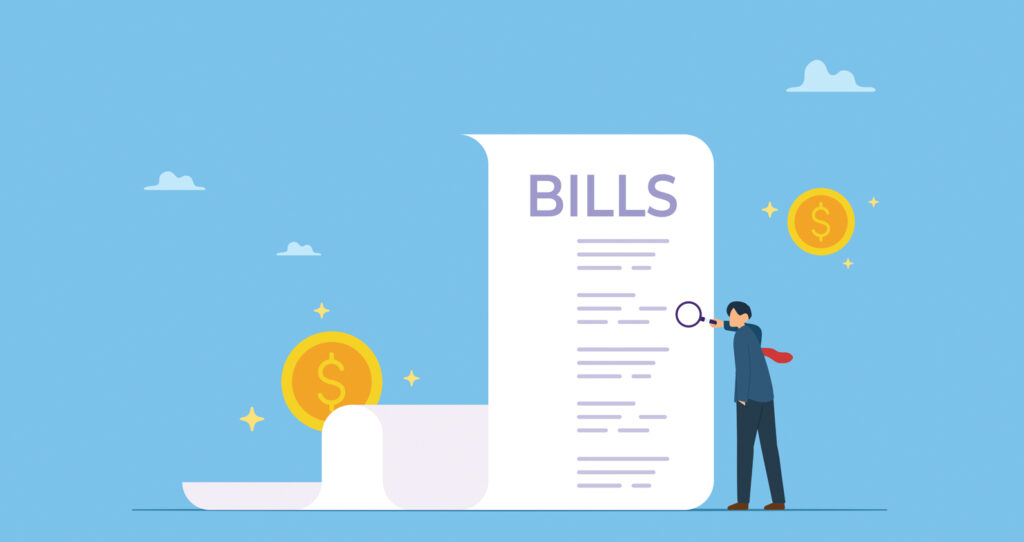
Most financial pressure doesn’t come from one dramatic mistake.
More often, it’s the result of small financial leaks that occur consistently over time.
An unused subscription here. A few impulse purchases there. Interest charges on a credit card balance. Extra spending that goes unnoticed month after month.
Individually, these expenses may seem minor. Collectively, they can have a significant impact on your financial position.
The Importance of Financial Goals
It’s much easier to make good financial decisions when you’re working towards something.
Whether it’s building an emergency fund, buying a home, reducing debt, taking a holiday, or investing for the future, goals provide direction.
Without goals, it’s easy to focus on short-term spending and lose sight of the bigger picture.
Having clear financial goals can make it easier to stay motivated and make intentional decisions with your money.
Building Better Financial Habits

Improving your finances doesn’t require a complete overhaul overnight.
Some of the most effective habits are also the simplest:
- Automate your savings.
- Review your expenses each month.
- Pay more than the minimum on debt whenever possible.
- Set spending limits for discretionary purchases.
- Review subscriptions regularly.
- Track your progress towards financial goals.
Small actions repeated consistently often create the biggest long-term results.
Small Changes Add Up
Many people underestimate the impact of small financial improvements.
Saving an extra $20 per week, cancelling unused subscriptions, reducing impulse purchases, or paying a little extra towards debt may not feel significant at the time.
However, these small changes compound over months and years.
The same principle that allows poor financial habits to create problems can also work in your favour when building positive ones.
Breaking Free From Financial Stagnation
Financial progress isn’t always about earning more money. Often, it’s about making better use of the money you already have.
By identifying the habits that may be holding you back and replacing them with healthier financial behaviours, you can create more flexibility, reduce stress, and move closer to your goals.
If multiple debts or repayments are making it difficult to get ahead, Loansmart can help you explore lending solutions that may simplify your finances and support your financial goals.