
Have you ever bought something and immediately wondered why?
Maybe it was an online purchase you hadn’t planned for, an expensive takeaway after a long day, or an item that seemed essential at the moment but quickly lost its appeal.
While we often think spending decisions are rational, they’re frequently influenced by triggers happening around us. In many cases, we’re not buying because we need something. We’re buying because of how we’re feeling or what’s happening in our environment.
Understanding these spending triggers can help you make more intentional decisions and avoid purchases that don’t align with your financial goals.
Stress Spending
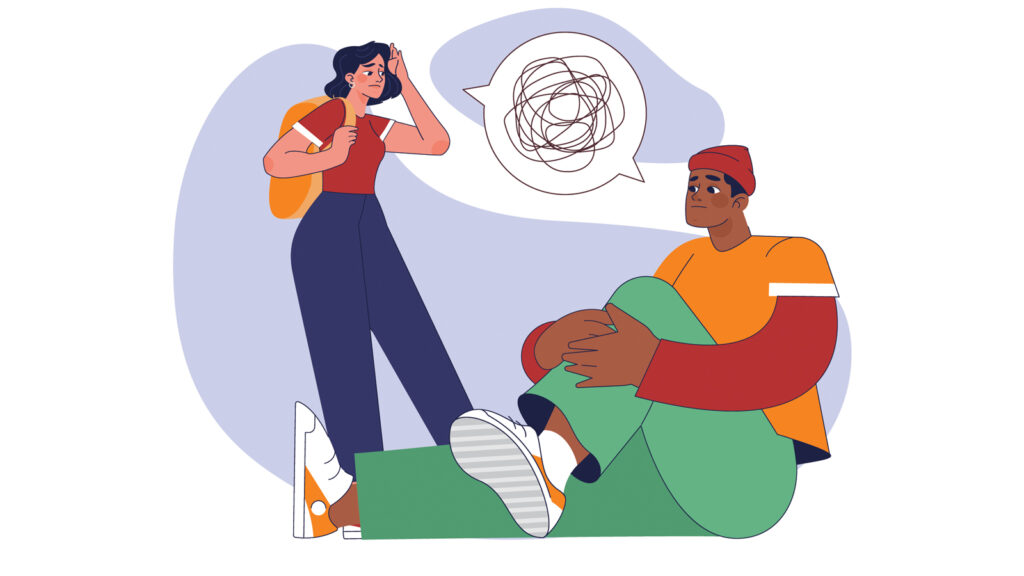
Stress is one of the most common spending triggers.
When we’re feeling overwhelmed, worried, or under pressure, spending can provide a temporary sense of relief. Buying something new may feel like a reward or distraction from whatever is causing the stress.
The problem is that the relief is often short-lived. Once the excitement of the purchase fades, the original problem is still there, along with less money in your bank account.
This doesn’t mean every stress-related purchase is a mistake. However, recognising when stress is influencing your spending can help you pause and make more conscious decisions.
Boredom Spending
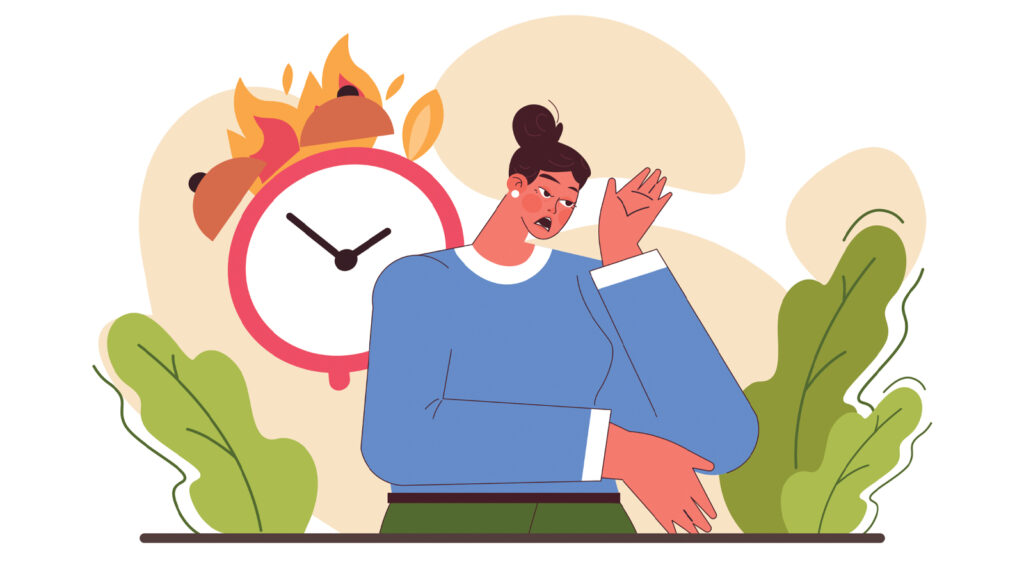
Many people shop simply because they’re bored.
Years ago, shopping often required a trip into town. Today, online stores are available 24 hours a day, making it easy to browse whenever we have a spare moment.
Scrolling through products can become a form of entertainment. The challenge is that browsing often turns into buying, especially when there is little else competing for our attention.
If you regularly find yourself shopping without a specific purpose, boredom could be playing a bigger role in your spending habits than you realise.
Reward Spending
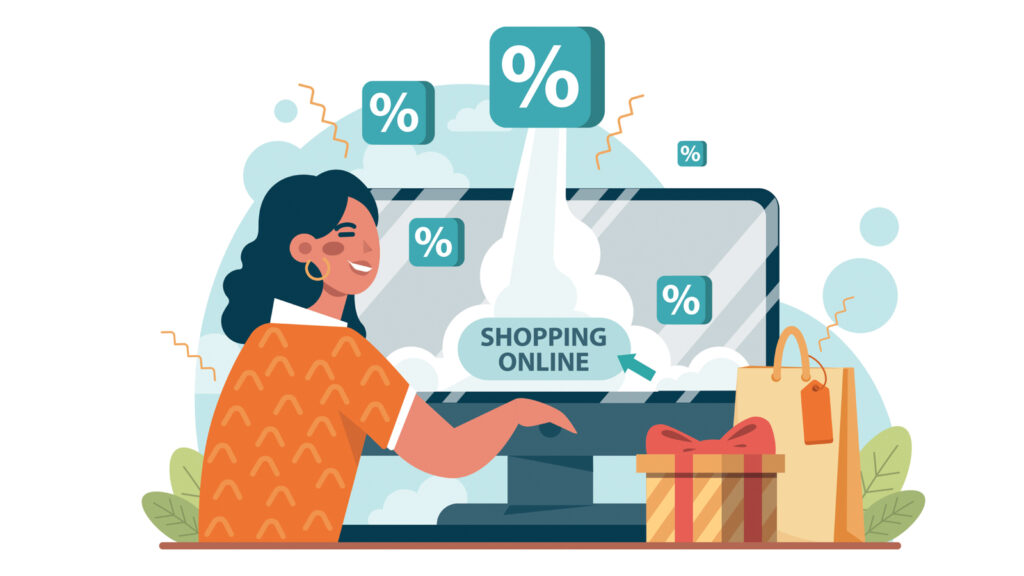
Have you ever told yourself, “I’ve earned it”?
Reward spending happens when we use purchases to celebrate achievements, get through a difficult week, or treat ourselves after working hard.
There’s nothing wrong with enjoying the money you’ve worked for. The problem arises when rewards become automatic or happen too frequently.
A special treat after achieving a major goal is very different from regularly using shopping as a way to improve your mood. Understanding the difference can help keep spending in balance.
Social Media and Influencer Culture
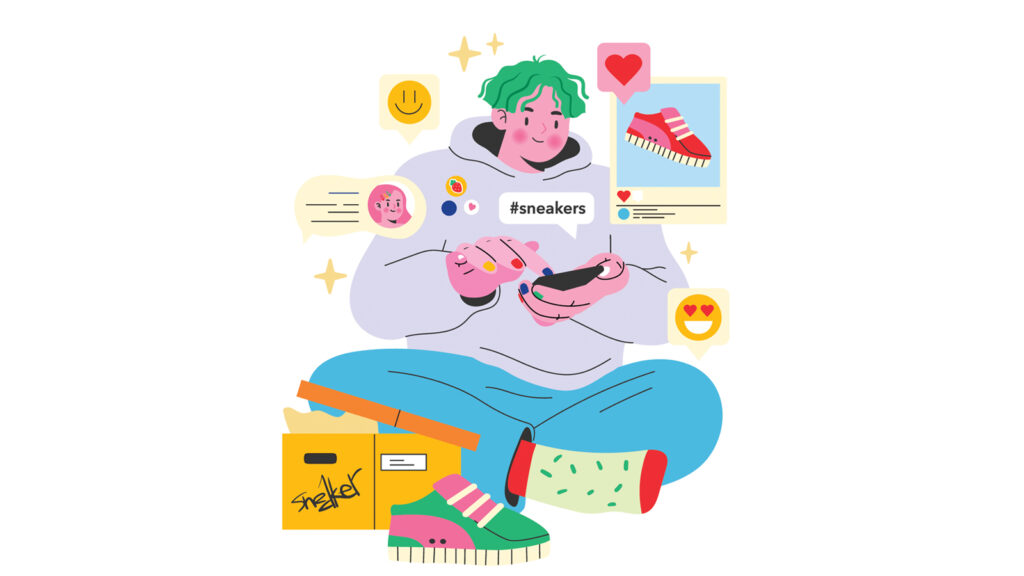
Social media has changed the way we discover products.
Whether it’s influencers promoting a new item, targeted advertising, or seeing friends share their latest purchases, we’re constantly exposed to things we didn’t know we wanted.
The more often we see a product, the more familiar and appealing it can become. Over time, this can create a sense that we’re missing out if we don’t have it too.
It’s important to remember that social media often shows the highlights of other people’s lives, not the full financial picture behind them.
Peer Pressure and Keeping Up With Others
Spending habits are often influenced by the people around us.
Friends, family members, and work colleagues can all shape our expectations about what’s normal. Whether it’s dining out regularly, upgrading vehicles, taking overseas holidays, or buying the latest technology, it’s easy to feel pressure to keep up.
The challenge is that everyone’s financial situation is different.
What works comfortably for one person may place financial strain on someone else. Making spending decisions based on your own goals and circumstances is often far more valuable than trying to match someone else’s lifestyle.
Identifying Your Personal Spending Triggers
Everyone’s spending triggers are different.
Some people spend when they’re stressed. Others spend when they’re bored, celebrating, or influenced by what they see online.
A useful exercise is to look back at recent purchases and ask yourself:
What was happening when I made this purchase?
Was I solving a genuine need or responding to a feeling?
Would I make the same decision again today?
The answers may reveal patterns you haven’t noticed before. Once you understand your triggers, it becomes much easier to manage them.
Taking Back Control
Spending triggers affect everyone. The goal isn’t to avoid every emotional purchase or remove all enjoyment from spending. Instead, it’s about recognising the situations that influence your decisions and making sure those decisions align with your priorities.
A little awareness can go a long way. The more you understand what drives your spending, the easier it becomes to stay focused on your financial goals and avoid unnecessary financial pressure in the future.
If you’re already managing multiple debts or repayments, Loansmart can help you explore solutions that may simplify your finances and support your financial goals.
By improving your cash flow, you may be able to build a savings buffer, reduce financial pressure, and still enjoy the occasional treat—provided it’s a conscious choice rather than a reaction to stress, boredom, or other spending triggers.
In the next article, we’ll explore how retailers and marketers use psychology to encourage spending, and how recognising these tactics can help you make more informed purchasing decisions.
What Type of Spender Are You?
Take a moment to think about the following questions:
1. When you’re feeling stressed, what are you most likely to do?
A. Buy yourself something to feel better.
B. Avoid spending altogether.
C. Stick to your normal spending habits.
2. How do you feel before making a larger purchase?
A. Excited and eager.
B. Anxious or guilty.
C. Comfortable if I’ve planned for it.
3. Which statement sounds most like you?
A. “Life is short — enjoy it.”
B. “I worry about spending money in case I need it later.”
C. “I try to balance enjoying life with planning for the future.”
4. How often do you regret purchases you’ve made?
A. Often.
B. Rarely, because I don’t buy much.
C. Occasionally, but not frequently.
5. If you received an unexpected $1,000, what would you do first?
A. Treat myself or buy something I’ve wanted.
B. Save all of it.
C. Put some towards savings and some towards something I enjoy.
Your Results
Mostly A’s: You may be an emotional or impulsive spender. You enjoy the rewards that spending can bring, but it may be worth pausing occasionally to ensure purchases align with your long-term goals.
Mostly B’s: You may experience a strong “pain of paying.” While being cautious with money can be a strength, it’s important to make sure fear or anxiety isn’t preventing you from spending on things that genuinely improve your quality of life.
Mostly C’s: You appear to take a balanced approach to money. You understand the value of both enjoying your income today and planning for the future.