

Published: 24th January, 2024
Last Updated: 7 June, 2026
Author: Murray Greig, Founder of Loansmart
A low interest personal loan can reduce the total cost of borrowing by lowering the amount of interest charged over the life of the loan. For New Zealand borrowers, a lower interest rate can improve affordability, reduce monthly repayments, and make it easier to manage debt.
Whether you are consolidating existing debt, covering an unexpected expense, purchasing a vehicle, funding home improvements, or paying for a major life event, choosing the right personal loan can significantly affect your long-term financial position.
Key Takeaways
- A low interest personal loan reduces the total cost of borrowing.
- Lower interest rates typically result in lower repayments and less interest paid over time.
- The lowest advertised interest rate does not always represent the cheapest loan overall.
- Loan fees, repayment flexibility, loan term, and total borrowing costs should also be considered.
- Banks, credit unions, finance companies, online lenders, and loan brokers all offer personal loan solutions in New Zealand.
- Comparing multiple lenders can improve both approval opportunities and loan affordability.
- Borrowers with fair or poor credit may have more lending options through specialist lenders and loan brokers than through traditional banks.
What Is a Low Interest Personal Loan?

A low interest personal loan is a type of consumer lending product that charges a lower annual interest rate than many standard personal loans.
Interest is one of the largest components of the total cost of borrowing. When a borrower secures a lower interest rate, they generally benefit from:
- Lower weekly, fortnightly, or monthly repayments
- Reduced interest charges over the life of the loan
- Improved affordability and cash flow management
- Greater flexibility to repay debt sooner
However, interest rates alone do not determine the total cost of a loan.
Why the Lowest Interest Rate Is Not Always the Cheapest Loan
When comparing personal loans, borrowers should consider:
- Interest rate
- Establishment fees
- Monthly account fees
- Early repayment fees (if applicable)
- Loan term
- Total repayment amount
A loan with a slightly higher interest rate but lower fees may cost less overall than a loan advertising the lowest rate available.
Key takeaway: The most affordable personal loan is usually the loan with the lowest total borrowing cost, not simply the lowest advertised interest rate.
What types of loan providers offer low interest personal loans?

Several types of lenders provide low interest personal loans in New Zealand. Each lender category has different lending criteria, approval processes, interest rates, and borrowing limits.
Banks
Banks are often top of mind for many individuals seeking a personal loan, but they can be more expensive, with a higher starting interest rate than some low-cost loan providers. Banks also often have strict criteria about who they can lend money to. This means that if you have a bad credit history, you may struggle to get a loan through a bank. In contrast, finance companies and online lenders often have more discretion about who they lend money to, and some will lend to people with bad credit.
Credit unions
Credit unions are another option for low-interest personal loans. These non-profit financial institutions often provide lower interest rates to their members. Joining a credit union can be as simple as meeting certain eligibility requirements and opening a savings account.
Online lenders
Online lenders are also a popular choice for low-interest personal loans. These lenders often have streamlined application processes and can offer competitive rates due to lower overhead costs. It’s important to do your research and read reviews before choosing an online lender to ensure they are reputable and trustworthy.
How do online lenders compare with banks for personal loans?

Flexible Rates, More Approval Options, and Higher Limits
Banks often use standardised pricing and stricter lending criteria, so borrowers with non-perfect credit can be declined or offered fewer choices.
Online lenders are usually more flexible and may price loans based on your full financial picture (income, expenses, affordability), which can suit people with diverse credit histories. If the provider is also a loan broker, they can put one application in front of multiple lenders — more lenders means more chances of approval.
Borrowing limits can also be higher. Banks often cap unsecured personal loans at around $40,000 – 50,000, while some online lenders can offer up to $75,000, which helps for bigger costs like renovations, a car purchase, or debt consolidation.
How a Loan Broker Can Help You Find a Low Interest Personal Loan
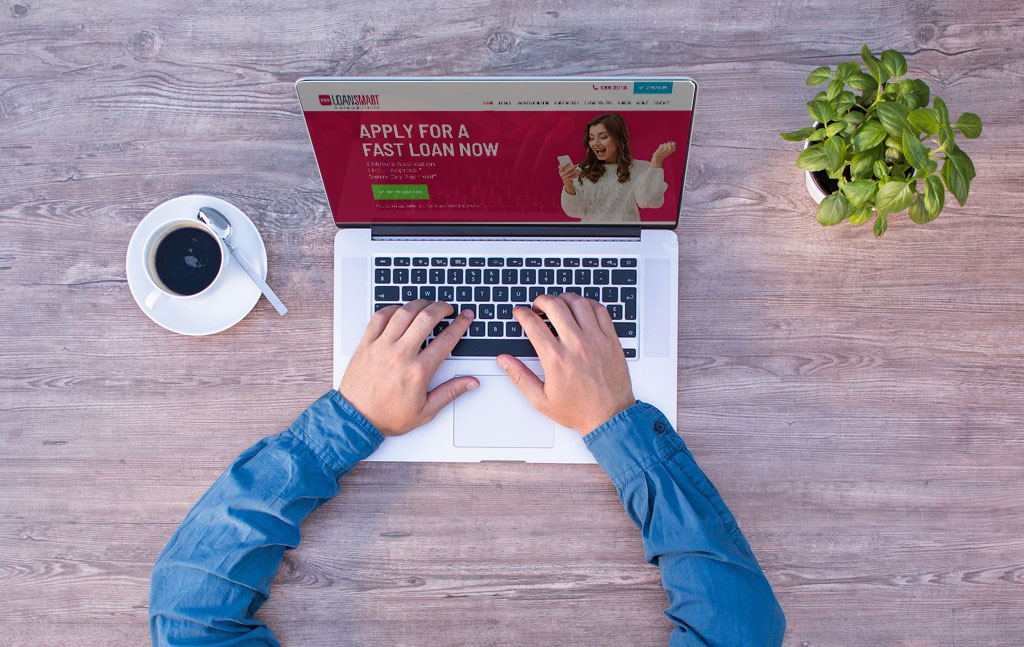
Working with a loan broker can give you access to more options than applying to a single bank or lender. Instead of applying multiple times yourself, a broker:
Assesses your situation once
- Matches you with lenders that suit your circumstances
- Compares rates, fees, and loan structures
- Presents you with options so you can make an informed choice
This approach can improve your chances of approval while helping you avoid unnecessary credit checks.
The Role of Financial Advice in Choosing the Right Loan
Not all loan brokers are financial advisers. A broker who is also a licensed financial adviser must:
- Explain the pros and cons of each loan option
- Recommend solutions that align with your best interests
Prioritise affordability and long-term outcomes, not commission
If there are multiple loans available, a financial adviser is required to explain which option best supports your financial wellbeing — even if another option would earn them more.
This added layer of accountability can be especially important when comparing low interest personal loans.
Low Interest Personal Loans FAQ's
Low-interest personal loans are available from banks, credit unions, and online lenders. Banks tend to charge higher starting rates and have stricter criteria, while credit unions can provide lower rates to members. Online lenders often have competitive rates, more flexible lending criteria, and a faster application process.
Online lenders can also provide tailored interest rates and higher borrowing limits (up to $75,000 unsecured) compared to banks (often capped at $40,000 – $50,000).
Yes, it may still be possible to qualify for a low interest personal loan if you have a bad credit score. While banks often decline borrowers with poor credit, online lenders and finance companies have more flexible lending criteria. In some cases, debt consolidation can help reduce overall interest costs by replacing multiple high-interest loans with a single, more manageable loan.
Unsecured loans don’t require any collateral, making them accessible for many borrowers. However, if you have bad credit, you may need to provide security such as a car or property. Secured loans usually allow for larger borrowing amounts and can sometimes mean lower interest rates.
We offer most of our loans unsecured, but if you have bad credit, your loan may need to be secured by an asset such as a car.
This depends on what you can afford. Loan amounts start around $2,000 and go up to $75,000 unsecured and $150,000 secured, but we sometimes lend higher than this.
For a repayment estimate, check out our personal loan calculator.